
Trees are not only beautiful, but they also play a vital role in our environment. They provide us with oxygen, help clean the air, and provide homes for wildlife. However, there are times when tree removal is necessary. When that happens, it’s essential to understand the environmental impact and how to minimize it. In this blog post, we’ll explore the ecological considerations of tree removal and share tips on how to reduce the impact on the environment during the removal process.
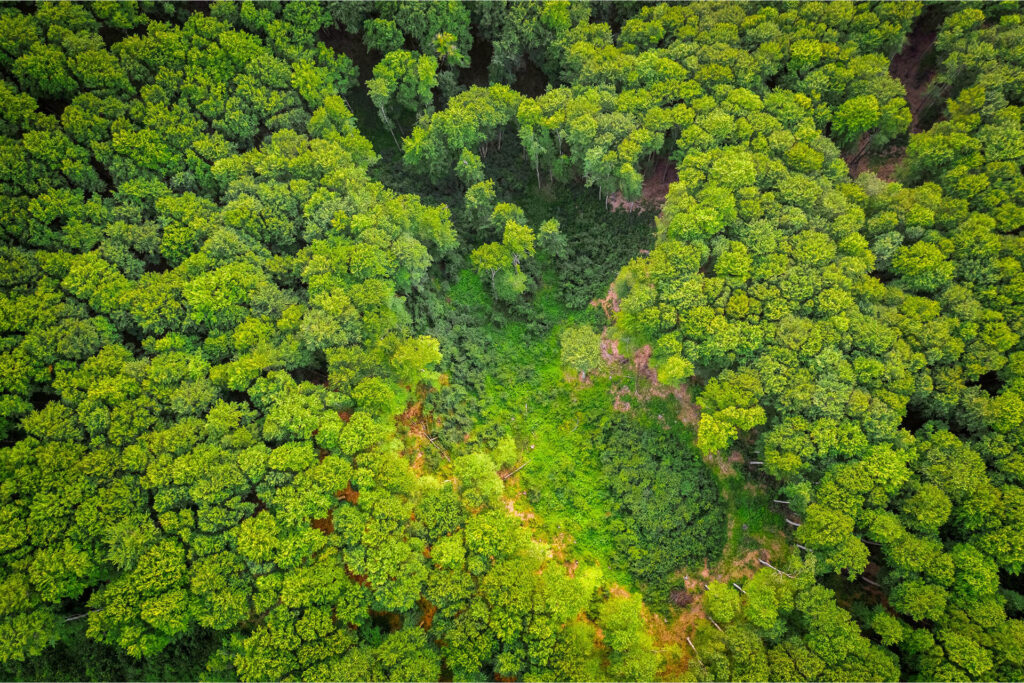
The Environmental Impact of Tree Removal
Before we dive into minimizing the effects, let’s understand the environmental impact of tree removal:
- Loss of Habitat: Trees provide homes and shelter for birds, insects, and other wildlife. When a tree is removed, these creatures may lose their homes, which can disrupt local ecosystems.
- Air Quality: Trees absorb carbon dioxide and release oxygen, helping to improve air quality. Removing trees can reduce the amount of CO2 absorbed, potentially contributing to air pollution.
- Soil Erosion: Tree roots help anchor the soil, preventing erosion. Removing trees can lead to increased soil erosion, which can affect nearby water bodies.
- Temperature Regulation: Trees provide shade and help regulate local temperatures. Their removal can lead to increased heat and discomfort, especially in urban areas.
- Aesthetic and Psychological Impact: Trees contribute to the beauty of our landscapes and provide a sense of calm and well-being. Their removal can have psychological and aesthetic consequences.
Now, let’s explore how to minimize these impacts when tree removal is necessary.